Sit Down. Don't Open the Menu. There Isn't One.
Omakase means "I'll leave it to you." The counters across Southern California are worth trusting with that decision.

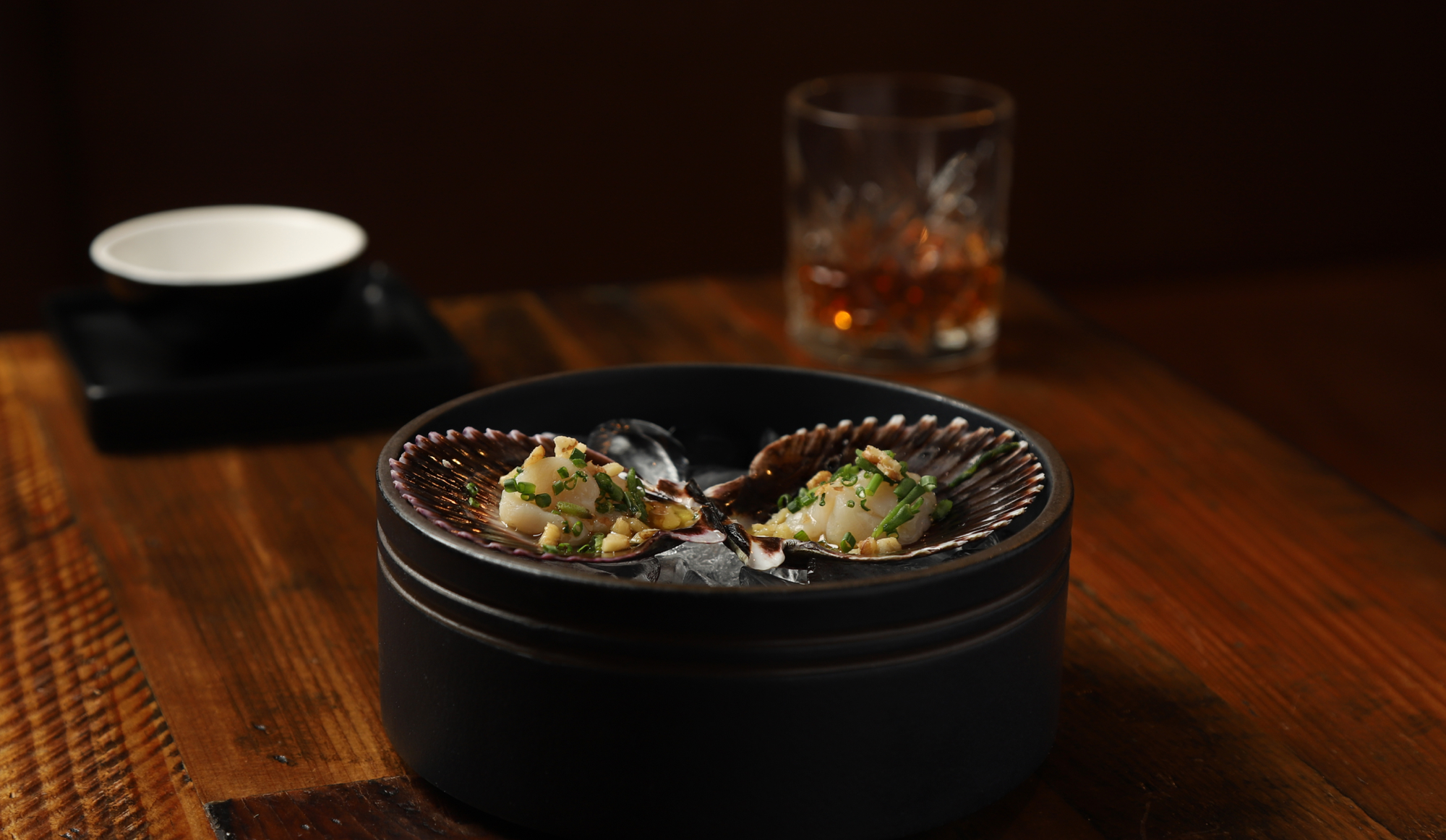
There is a particular kind of evening that begins with handing over your dinner to a stranger.
You sit down. You don't order. You don't ask what's next. A man you've never met before places one piece of fish in front of you, and you eat it, and then he places another. This continues for somewhere between an hour and three. At the end of it, if the chef is any good, you will have eaten things you couldn't have named and won't be able to forget.
That's omakase. It means, roughly, "I leave it to you." It is the opposite of how Americans usually eat, which is why the ones who do it well in Southern California are doing something more interesting than just serving sushi.
Here are the counters worth the reservation.
Los Angeles
Sushi Takeda, in the parking structure of the Little Tokyo Marriott. Yes, really. Push past the unmarked door and you find Sushi Kaneyoshi-trained chef Daisuke Takeda working a counter of about ten seats. Edomae-style. Quiet. Serious. One of the best meals in the city happens here and most people in the city have no idea.
Mori Nozomi, in Palms. The successor to the long-running Mori Sushi, now run by chef Maru Yamaguchi. The rice is the religion here — vinegared with a complexity that makes everything else feel underdressed. Reserve early. Reserve again.
Shunji, on Pico. Chef Shunji Nakao has been doing this for decades. The meal is a two-act show: seasonal small plates, then a parade of nigiri including two-week-aged tuna and Santa Barbara uni so plump it almost feels rude. He's also funny, which helps.
Orange County
Naisho Omakase, Newport Beach. Reservations open the second Sunday of each month at 10 a.m. and disappear quickly. The room seats a small handful of guests. The fish is flown from Toyosu. The experience is the kind of quietly extravagant you don't see often this far south.
Rebel Omakase, Laguna Beach. Organic, intimate, all-Japan ingredients. Chef Phillip Frankland Lee's project has earned its Michelin attention by behaving like a Tokyo room transplanted to PCH.
Hana Re, Costa Mesa. Reservations remain the toughest in OC for a reason. Chef Atsushi Yokoyama doesn't say much. He doesn't need to.
Pasadena
Sushi Enya, on Colorado Boulevard. The omakase here doesn't try to compete with the Westside on price, which is part of why it works. Fresh, generous, attentive. The kind of dinner you take someone to when you want to be remembered as the one who knew about it.
Santa Barbara
Silvers Omakase, in the Funk Zone. Ten seats. One Michelin star. Chef Lennon Silvers Lee mills the rice in-house and dry-ages much of the fish himself. The pottery the food is served on is, in many cases, also made by him. Everyone is seated at once. Everyone leaves quietly impressed.
Sushi by Scratch: Montecito, tucked behind the Montecito Inn. Seventeen courses, no windows, complimentary valet. The dining room feels like a secret because it more or less is.
Palm Springs
Sandfish Sushi & Whiskey, North Palm Canyon. The desert isn't where most people expect to find their best sushi meal of the year. That's part of the pleasure. The omakase pairs with one of the deepest Japanese whiskey lists in the region.
A note on doing this properly: arrive on time. Don't wear cologne. Don't take photos of every piece. Eat the nigiri the moment it's set down, with your hands, in one bite. Thank the chef when you leave.
And if you can swing it: sit at the counter. The table is fine. The counter is the point.